PATIENT ENGAGEMENT
Proactively engage patients based on their risk factors and history. Drive patients to preventive medicine and health education for their needs. Simplify care coordination. Our database of services uses the data from your health system to automate the resource-draining collection, approval, education & messaging requirements in an efficient, streamlined tool.

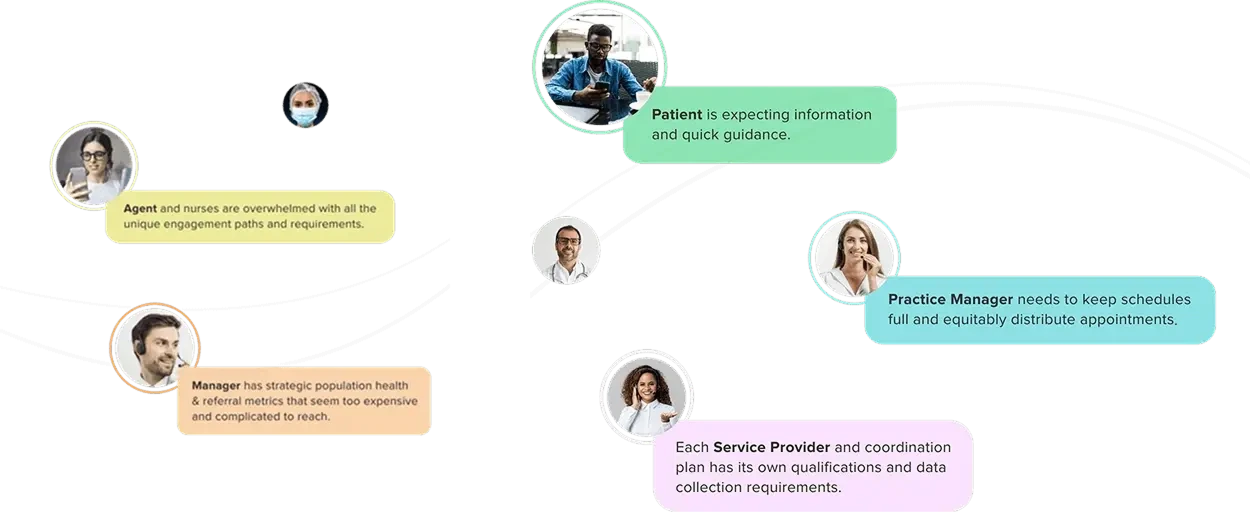

Get in front of your population health needs. Prompt your users to refer patients, based on either the patient history and current chief complaint. Guide patients to the closest service provider and follow-up with information and directions via the communication channel of their choice.
learn more
Each service has its own scripting, knowledge base, data collection forms, & geo-location logic. Call handlers simply follow the prompts & don’t need to navigate elsewhere or search third-party websites. Telemedicine made simple!
learn more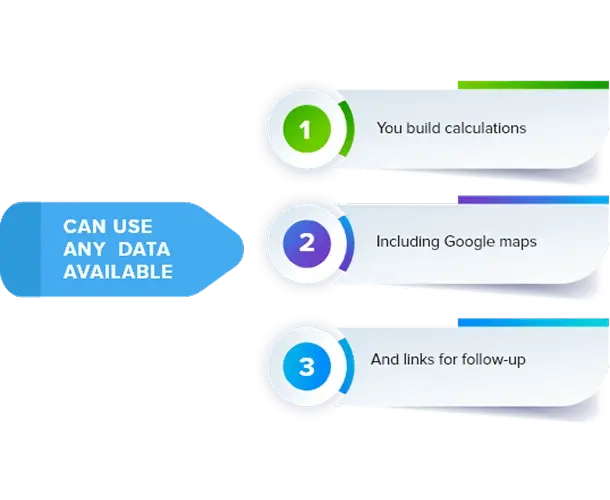
Automatically coordinate referrals with automated communication tailored to each service you provide. Send the appropriate referral information to both the service and to the patient. Communication templates are tailored to the need and can use any data available, even letting you build calculations or conditional logic. Embed health information or visit specific instructions, including Google maps, & links for follow-up. Simple!

Give your management the reports they want across all channels & correlated to your encounters. How many emergent cases resulted in users paging a physician? How many of these pages were returned before the patient was sent to the emergency room? Was the ER notified with documentation? Build the reports you need without a line of code.
learn moreKEEP PATIENTS INFORMED AND INVOLVED
Deliver timely follow-ups, education, and care reminders without manual effort, especially for busy clinical teams.