When triage decisions vary by who answers the call, risk increases. Consistent, reviewable triage logic supports appropriate escalation without leaving individual nurses exposed.
Before

After
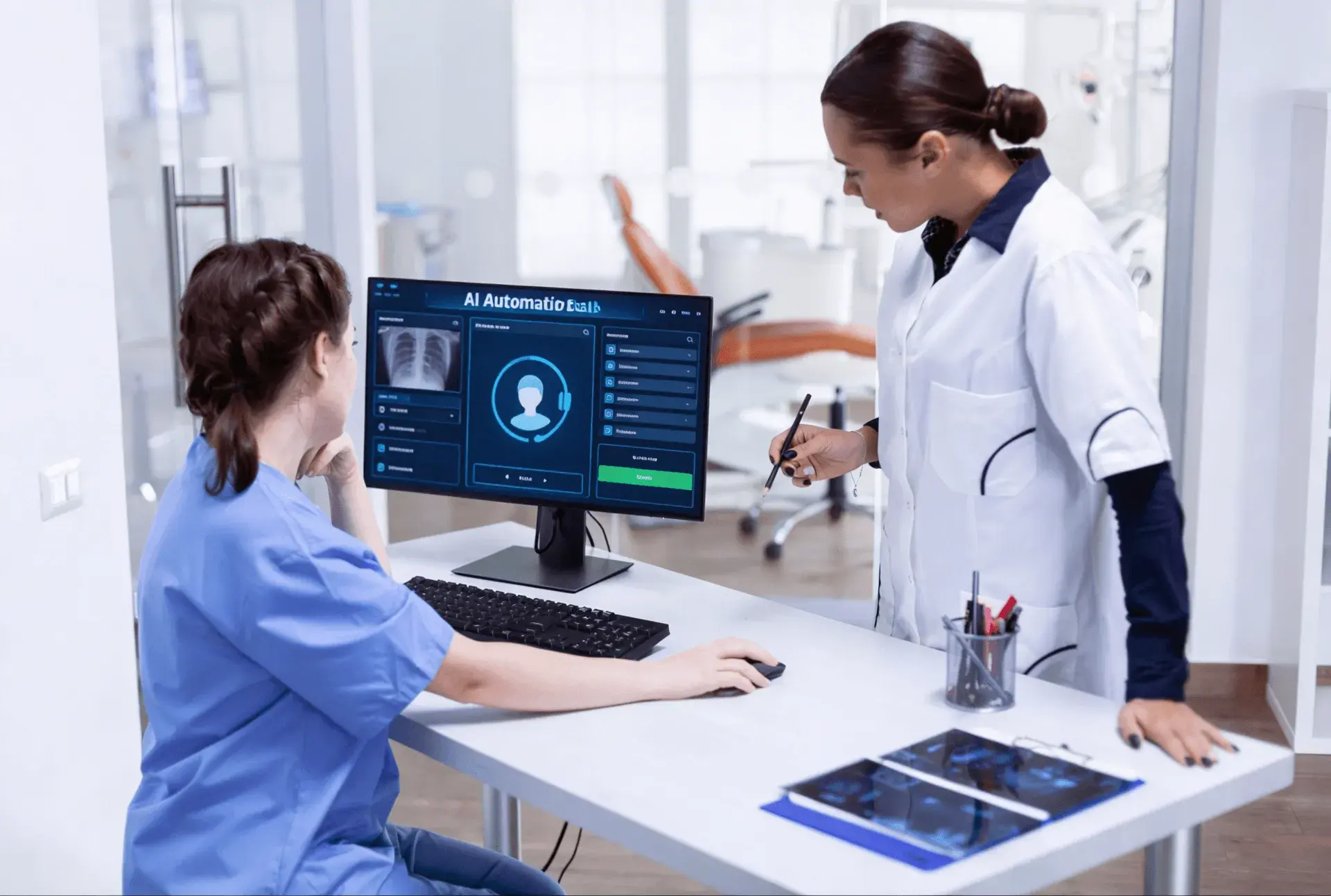
Nurses don’t make different triage decisions because they lack skill. They do it because triage happens under pressure, with partial information, and without consistent guardrails.
Similar symptoms lead to different outcomes depending on who answers
Escalation thresholds vary across shifts and staff levels
Nurses carry personal risk for decisions that should be system-supported
The risk isn’t a single wrong call. It’s unmanaged variation across hundreds of decisions.

Structured logic reduces variation so comparable cases are handled comparably.
Nurses aren’t left guessing when to escalate or how urgently to act.
Guidance reduces cognitive load while preserving nurse autonomy where it matters.
Consistency improves without flattening expertise.

01
Structured symptom capture happens upfront
Key information is gathered consistently before decisions are made, reducing ambiguity and missed details.
02
Evidence-based triage pathways guide decisions
CareDesk applies configured triage logic aligned with your protocols, helping nurses determine urgency, next steps, and escalation thresholds.
03
Acuity triggers escalation when needed
When symptom combinations indicate higher risk, the system flags and routes the call appropriately which supports timely clinical review without relying on memory alone.
This creates consistency without removing professional judgment.

The challenge:
Managing triage consistency across 42 specialties and 96 locations was impossible with manual protocols. Nurses struggled with specialty-specific guidelines, age-based variations, and provider preferences.
The result:
93%
clinical accuracy achieved across massive complexity. 34% reduction in mean handle time, 50% reduction in novice-to-expert training, 100% encounter documentation.
"No other platform addresses our needs now AND our future growth. We went from accepting clinical variation as inevitable to achieving 93% accuracy system-wide. Patient safety improved, provider trust restored, nurse confidence soared."
Jordan Sappington
Director of Clinical Operations
CareDesk does not invent clinical guidance. Triage follows configured, rule-based pathways derived from your approved protocols. Every recommendation is grounded in clear logic, not free-text generation.
When a call is escalated, the system records exactly which symptoms, thresholds, or combinations triggered the decision. This creates a clear audit trail for clinical governance and review.
The same triage logic is applied across staff and shifts to reduce variation, while nurses retain authority to escalate or override when clinically appropriate. Decisions are supported and defensible, not second-guessed.







See How Triage Becomes Consistent
15-min demoReview my triage risk variability