

Your schedulers aren't just booking appointments; they're managing entire care journeys that generic routing can’t coordinate.
The outcome? Missed follow ups. Repeated calls. Dropped handoffs between imaging, labs, and providers. That is where patients feel abandoned.
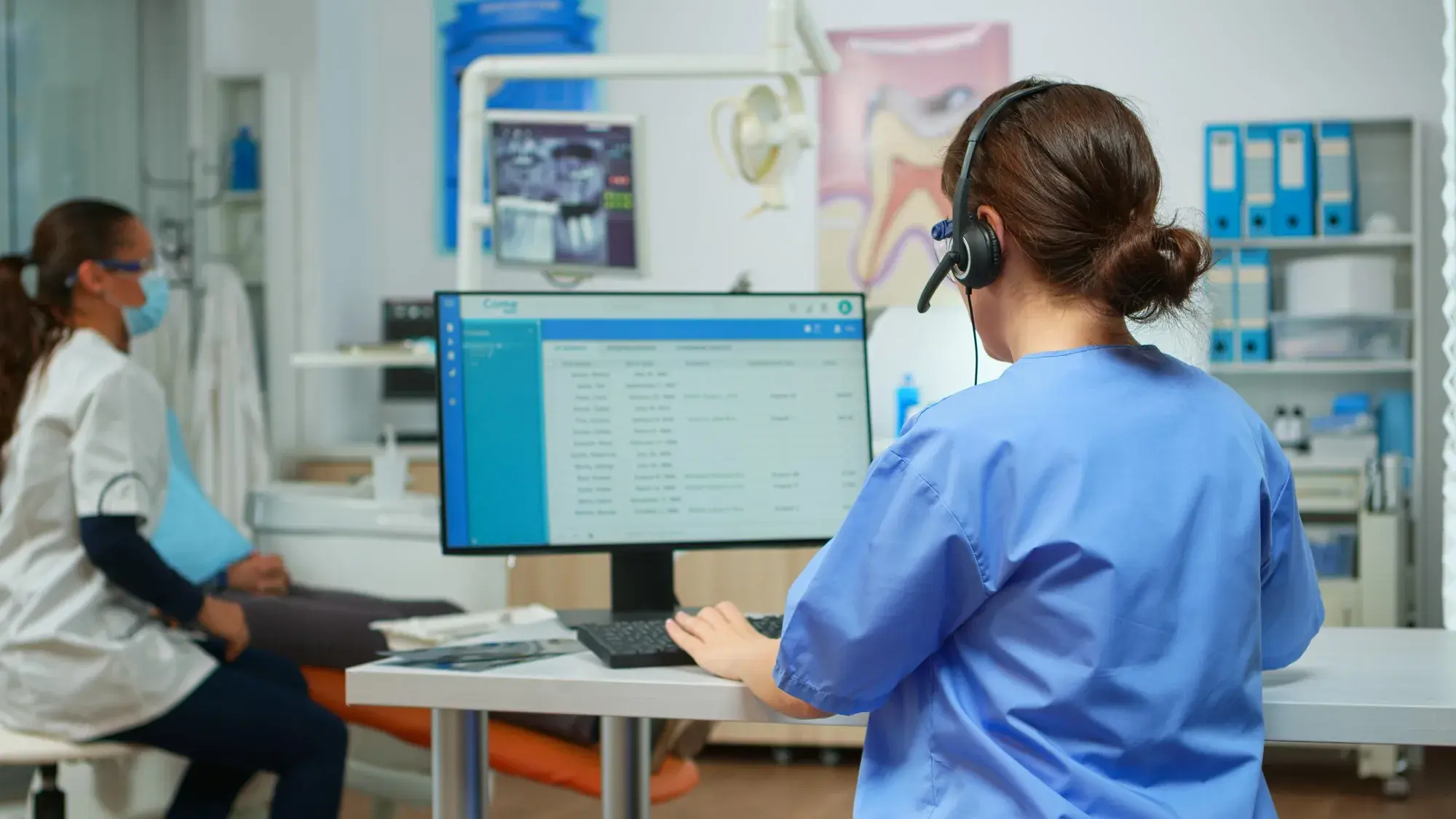
CareDesk is built differently. Purpose-built routing AI that knows your specialty, your protocols, and your patients.
Generic routing fails in women’s health because of four critical complexity factors:
Your scheduling isn't just calendar management — it's coordinating time-sensitive, multi-step care with the right escalation and context.
CareDesk sorts inbound women’s health requests into the right path via dual-engine AI:
CareDesk does not diagnose. It executes scheduling and escalation rules defined by the clinic and captures the information staff needs.
01
Intake
Reason for visit, timing window, prior care, and prerequisites.
02
Route
Match provider/team, location, and slot type using practice rules.
03
Resolve
Book, escalate, or hand off with context and documented next steps so staff can act fast.
of inbound women’s health requests self-scheduled, 61% from mobile devices. Autopilot coordinates annual visits, straightforward prenatal scheduling, and prescription refills without staff action.
within 10 minutes. When human intervention is required, the patient is connected to staff or a callback is confirmed within 10 minutes.
additional scheduled visits per day per practice. Net new scheduled visits from recovered abandoned calls and reduced rework vs baseline.

Multi location women’s health group with 40+ providers across 5 offices.
Difficulty seeing availability across multiple days, juggling multiple resources, lack of in-system guidance and no proactive scheduling of routine checkups.
from 4–6 months to 1–2 weeks
95% of calls have guidance for non-clinical agents to make a decision
100% encounter documentation and reporting: requests no longer get lost


Instead of relying on staff memory and manual handoffs, CareDesk makes clinical nuance, emotional context, and operational rules visible at the exact moment decisions are made.

Action: Confirm follow up window, routes to the correct provider type, and schedule the earliest compliant slot. If criteria require review, escalate with context and confirm the callback.
Action: Capture key details, check urgency rules defined by the clinic, and route to the right path. Same day escalation when needed. Otherwise schedule plus clear instructions.
Action: Schedule the next step based on timing rules, required labs, and available equipment locations. Reduces back and forth between patient, lab, and clinic.
Practice Intelligence 360 - Women’s Health Configuration
You only pay for completed care, not AI chatter. Works with your scheduling rules, provider templates, and escalation pathways. Escalations include context so staff do not restart the conversation. Creates a clear audit trail of who did what, when, and why.
13 years of women's health workflow refinement. HIPAA compliant. EHR integrated. Built for specialty depth and time-sensitive coordination across patient lifecycles.


Patient 360: What the system knows about the patient
Current pregnancy week, high-risk indicators, contraception history, abnormal...

Provider 360: What the system knows about your clinicians
Specialty focus, room/equipment needs, procedure preferences.

Practice 360: What the system knows about your operational reality
Room constraints, reserved blocks, site schedules (e.g., genetic...
We will map three of your highest-volume call reasons and simulate how routing, prerequisites, and scheduling would work in your actual environment. We’ll show you what staff sees, what the patient experiences, and how documentation is captured.